Prescription Drugs Rehab: Addiction Treatment in Burlington, New Jersey
Addiction to prescription drugs can begin quietly but escalate quickly. Pathways Treatment Center, a premier drug addiction treatment center in Burlington, New Jersey, is dedicated to helping our clients overcome substance abuse. Our program offers structured, evidence-based care for individuals struggling with opioid painkillers, benzodiazepines, and other prescription substances.
Prescription Drug Addiction Rehab in New Jersey
Prescription Drug Addiction
Misusing prescription medications can lead to severe addictions. Medications such as opioids, benzodiazepines, and stimulants, initially prescribed for legitimate medical purposes, have become widely accessible and are often misused. Using a friend’s or family member’s prescribed medications also constitutes prescription drug misuse.
This misuse can quickly escalate into addiction, impacting the lives of individuals and their families. The easy availability and often unmonitored consumption of these drugs have contributed to a growing public health crisis, necessitating urgent and effective intervention. Consulting a healthcare professional is essential for safe medication use and for managing the risks associated with prescription drug misuse.
Individuals can find prescription drug addiction rehab centers in New Jersey that offer a crucial lifeline for those grappling with addiction. These facilities provide comprehensive treatment programs tailored to meet the unique needs of each individual. Medical detox is typically the first step in addiction treatment, involving medical supervision and protocols to safely manage withdrawal symptoms. Specialized drug rehab treatment plans then address the root causes of addiction and support long-term recovery. Comprehensive treatment also addresses underlying mental health challenges. Most health insurance programs offer some level of coverage for substance use disorder treatment, making care more accessible.

Prescription Drug Addiction Rehab in New Jersey
Why Prescription Drug Addiction is Dangerous
Prescription drug addiction is a serious condition that can have devastating effects on an individual’s health, relationships, and overall quality of life. Unlike opioid addiction, which can refer to heroin addiction or to prescription painkillers, prescription drug addiction encompasses a broader range of medications that include sedatives, stimulants, and tranquilizers.
Physical and Mental Health Risks
Addiction to prescription drugs can lead to a host of physical and mental health issues. Physically, it can cause damage to vital organs such as the liver, kidneys, and heart. It can also result in respiratory problems, gastrointestinal issues, and neurological damage. Mentally, prescription drug addiction can lead to depression, anxiety, paranoia, and even psychosis depending on individual background and inclination.
Risk of Overdose
One of the most significant dangers of prescription drug addiction is the risk of overdosing. Overdose can occur when an individual takes a higher dose than prescribed. Danger levels are raised when an individual combines medication use with other substances, such as if they also develop an alcohol addiction. Overdosing on prescription drugs can lead to respiratory failure, coma, and death.
Social and Economic Impact
Prescription drug addiction can also have a profound social and economic impact. It can strain relationships with family and friends, lead to job loss and financial instability, and result in legal problems. The stigma associated with addiction can also prevent individuals from seeking the help they need. This perpetuates the cycle of addiction and can lead to further adverse effects.

What are the Signs of Prescription Drug Addiction
What are the Signs of Prescription Drug Abuse?
Prescription drug addiction is a serious issue that can affect anyone, regardless of age, gender, or background. Recognizing the signs of prescription drug misuse is crucial for early intervention and effective treatment. Common behavioral signs of prescription drug misuse include stealing or forging medication prescriptions.
Here are some key indicators of dangerous prescription drug use:
- Taking higher doses than prescribed: The individual may escalate their dosage without medical approval to achieve the desired effect or counteract growing tolerance.
- Visiting multiple prescribers: A person may obtain the same or similar medications from several different doctors to hide the extent of their usage.
- Frequently “losing” prescriptions or requesting early refills: Consistently claiming a prescription was lost, stolen, or used up too quickly is a common tactic to secure more medication.
- Exhibiting dramatic mood swings or personality changes: Unexplained shifts from euphoria to hostility or sedation can be a direct result of the drug’s influence and withdrawal cycles.
- Displaying poor decision-making and increased risk-taking: The intoxicating effects of the drug can impair judgment, leading to dangerous behaviors like driving under the influence.
- Becoming socially withdrawn, secretive, or neglecting responsibilities: As obtaining and using the drug becomes a priority, relationships, work, and hobbies are often abandoned or performed poorly.
- Experiencing unusual sleep patterns, either excessive sleepiness or insomnia: Stimulants can cause sleeplessness, while opioids and sedatives often lead to pronounced drowsiness or “nodding off.”
- Experiencing withdrawal symptoms: Physical dependence symptoms, such as anxiety, nausea, pain, and excessive sweating, are a key sign of abuse, where the body reacts adversely when the drug level drops.
Understanding these signs can make a significant difference in identifying and addressing prescription drug addiction. If you recognize these behavioral, mental, and physical symptoms in yourself or a loved one, it’s important you seek treatment.
What are the Signs of Prescription Drug Addiction
What Are The Top Prescriptions Most Likely to Be Abused?
Prescription drug misuse is a significant public health issue. Understanding which medications are most often misused, and the manner in which they are taken, can help in addressing this growing problem. Taking prescription drugs in a way not intended by a healthcare provider, such as using higher doses or altering the form of the medication, can increase the risk of addiction and adverse effects.
For many, prescription drugs become a way to cope with stress or emotional pain, and sometimes serve as a way to self-medicate pain and distress associated with a mental health disorder. Consulting a medical professional is essential for safe medication use and to manage risk factors related to prescription drug misuse.
These are some of the most common prescriptions to foster addiction:
Opioids
Doctors prescribe opioids to treat pain, but they are often abused due to their euphoric effects. Commonly abused opioids include oxycodone (OxyContin, Percocet), hydrocodone (Vicodin), morphine (which can include forms like MS Contin and Kadian), fentanyl, and codeine.
Benzodiazepines
Benzodiazepines are prescribed to treat anxiety, insomnia, and seizures, but are often abused for their calming effects. Commonly abused benzodiazepines include alprazolam (Xanax), diazepam (Valium), lorazepam (Ativan), and clonazepam (Klonopin).
Stimulants
Individuals take prescription stimulants to treat attention-deficit/hyperactivity disorder (ADHD) and narcolepsy, but they can be misused for their ability to increase alertness and energy. Commonly abused prescription stimulants include amphetamine/dextroamphetamine (Adderall), methylphenidate (Ritalin, Concerta), a nd dexmethylphenidate (Focalin).
Sleep Medications
Sleep medications are prescribed to treat insomnia, but can be abused for their sedative effects. Commonly abused sleep medications include zolpidem (Ambien), eszopiclone (Lunesta), and zaleplon (Sonata).
Muscle Relaxants
Muscle relaxants are prescribed for muscle spasms and pain, but are sometimes abused for their sedative and relaxing effects. Commonly abused muscle relaxants include carisoprodol (Soma) and cyclobenzaprine (Flexeril).
Barbiturates
Barbiturates are prescribed for anxiety, seizures, and insomnia. They aren’t as commonly prescribed as other prescription drugs due to their high potential for abuse and overdose. Commonly abused barbiturates include phenobarbital, secobarbital (Seconal), and amobarbital (Amytal).
Antipsychotics
Although less commonly abused, some antipsychotics are misused (often in combination with other drugs) for their sedative effects. A widely abused antipsychotic is quetiapine (Seroquel).
Prescription drug abuse is a serious issue that affects individuals and communities. It is essential to use medications only as prescribed by a healthcare professional and to be aware of their potential for abuse.
Prescription drug abuse is a serious issue that affects individuals and communities. It is essential to use medications only as prescribed by a healthcare professional and to be aware of their potential for abuse.
What are the Signs of Prescription Drug Addiction
What are the Options for Prescription Drug Addiction Rehab?
There are various treatment options available for individuals struggling with prescription drug addiction. Comprehensive treatment for prescription drug rehab addresses underlying mental health challenges and issues, not just the drug use itself. Some of the most common options for prescription drug rehab treatment include:
Therapies in prescription drug rehab may include individual therapy, group therapy, family therapy, and experiential activities such as yoga, all designed to help clients develop coping skills and healthy coping skills for long-term recovery and prevention of relapse. These therapy sessions help address both substance abuse and mental health struggles. At Pathways Treatment Center, we offer comprehensive therapy services to ensure our clients receive holistic care. Individual sessions help clients identify the root of their prescription medication dependency, while group therapy helps clients build relationships that support them throughout recovery.
Residential treatment programs for prescription drug addiction provide a supportive environment for long-term healing and recovery, where clients can connect with others on the healing journey. Many drug rehab programs provide tailored treatment plans designed by addiction specialists, making it easier for individuals to start treatment and navigate insurance coverage. Our dedicated team is available to guide clients through every step of the recovery journey, helping them find the right treatment options and resources.
Outpatient rehabilitation provides structured therapy and support while allowing you to live at home and maintain certain daily responsibilities, such as work, school, or family commitments. This option is often ideal for individuals with a strong support system at home and a less severe or stabilized addiction. You will attend scheduled treatment sessions several times per week, which may include individual counseling, group therapy, psychoeducation, and relapse prevention planning. The focus is on building coping skills, understanding triggers, and fostering accountability within the context of your real-world environment, making it a powerful step for both ongoing care and transitioning from more intensive treatment.
Depending on the level of care you may require, Pathways Treatment Center offers multiple outpatient treatment options, including:
For addictions to opioids or certain other prescription medications, Medication-Assisted Treatment(MAT) is a scientifically proven approach that combines FDA-approved medications with counseling and behavioral therapies. MAT works by safely managing the often-debilitating symptoms of withdrawal and cravings, which helps to normalize brain chemistry and stabilize the individual. This medical support creates a critical window of opportunity to fully engage in the therapeutic work of recovery without being overpowered by physical distress. At Pathways, our medical team carefully oversees MAT, ensuring it is tailored to your specific needs as part of a comprehensive, whole-person treatment plan aimed at long-term wellness.
It is exceedingly common for prescription drug abuse to co-occur with an underlying mental health condition, such as anxiety, depression, or trauma—a situation known as a dual diagnosis. Our specialized dual diagnosis treatment program is built on the fundamental principle that both conditions must be treated simultaneously for recovery to be successful. Our integrated team of psychiatrists, therapists, and addiction specialists collaborates to provide a unified treatment plan that addresses the interconnected symptoms. By treating the root causes alongside the substance use, we help you develop healthier coping mechanisms and break the cycle of self-medication, leading to more stable and enduring recovery outcomes.
Transitioning from an immersive treatment environment back to independent living is a vulnerable time that requires continued structure and peer support. Our affiliated sober living homes offer a safe, substance-free bridge between intensive rehab and full reintegration into society. Residents agree to abide by house rules, which typically include curfews, mandatory house meetings, and random drug screenings, all within a supportive community of peers on similar recovery journeys. This environment allows you to practice the life skills and relapse prevention strategies learned in treatment while rebuilding personal responsibility and social connections in a protected setting, significantly reducing the risk of early relapse.

What are the Signs of Prescription Drug Addiction
Heal From Prescription Drug Addiction at Pathways Treatment Center
At Pathways Treatment Center in Burlington, New Jersey, we understand that each individual’s journey to recovery is unique. We offer a range of evidence-based therapies and holistic treatments to ensure a well-rounded approach to healing.
Prescription drug addiction is a growing concern that requires immediate attention and effective treatment. By understanding the dangers, recognizing the signs, and exploring the available rehab options, individuals can take the necessary steps toward recovery. If you or a loved one is struggling with prescription drug addiction, contact us today!
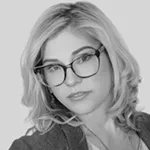
Michele is the Clinical Director at Pathways Treatment Center. Michele has over 20 years of experience in various settings including agencies, in-home, partial hospitalizations and private practice. While seeking to provide a warm, healing, and nonjudgmental environment, Michele has worked with individuals, couples and groups to help them manage stress/heal emotional wounds. She has a strong desire to gently motivate, educate, inspire and empower individuals to establish healthy emotional boundaries.
 phone
phone