Many individuals struggling with alcohol use disorder (AUD) find that willpower alone is not enough to stop drinking. An individual may have tried to cut back multiple times, only to find that intense cravings or withdrawal symptoms pull them back into the cycle of use. This is a common experience, but it does not mean failure; often, it means medical support is needed alongside determination.
We now understand exactly how alcohol rewires the brain’s reward system. Fortunately, there are FDA-approved medications specifically designed to treat alcohol addiction. These medications can reduce cravings, block alcohol’s euphoric effects, or restore brain chemistry that chronic drinking disrupts.
At Pathways Treatment Center in Burlington, New Jersey, we believe in using every available evidence-based tool to support a person’s journey. Addiction is a medical condition, not a moral failing, and we treat it that way. By combining medication for alcohol addiction with compassionate counseling and behavioral therapy, we help clients build a solid foundation for lasting change through our evidence-based programs.
What Medications are Used for Alcohol Addiction?
The FDA has approved three specific medications for the treatment of alcohol dependence: naltrexone, acamprosate, and disulfiram. These are non-addictive medications that help you stay sober.
Beyond these three, doctors often prescribe other medications during detox to manage withdrawal symptoms or treat co-occurring conditions like anxiety and depression.
- FDA-Approved Maintenance Medications: These target the brain’s reward system or chemistry to reduce cravings and prevent relapse (e.g., Naltrexone, Acamprosate).
- Withdrawal Management Medications: These are typically used only during the acute detox phase to prevent seizures and manage physical distress (e.g., Benzodiazepines).
- Co-occurring Disorder Medications: These address underlying mental health issues that may contribute to drinking (e.g., Antidepressants).
Can Medication Help Treat Alcohol Addiction?
Yes. Medication for alcohol addiction addresses the biological changes that make quitting so difficult. No pill cures addiction overnight, but medication can quiet cravings enough that you can focus on therapy and rebuilding your life. These medications are most effective when used as part of a comprehensive treatment program that includes counseling.
The medications work by reversing brain changes that chronic drinking causes: some block the “high” from alcohol, while others help normalize brain chemistry.
- Craving Reduction: Medication decreases the physical and psychological urge to drink, making it easier to focus on recovery.
- Relapse Prevention: Medication cuts down heavy drinking days and helps people stay sober longer.
- Treatment Engagement: When cravings and physical symptoms are managed, you can actually show up to therapy and do the hard emotional work of recovery.
FDA-Approved Medications for Alcohol Use Disorder
Three medications—naltrexone, acamprosate, and disulfiram—are FDA-approved specifically for alcohol use disorder (AUD). Combined with counseling, they reduce cravings, cut heavy drinking days, and lower your risk of relapse. Each works differently, so your doctor can choose the one that matches your medical history and recovery goals.
Naltrexone is an opioid antagonist that blocks specific brain receptors. It blocks the endorphins released when you drink, taking away the euphoria or “buzz” associated with alcohol. If a person slips and drinks while taking naltrexone, they will not get the reward their brain expects, making it easier to stop after one drink instead of spiraling.
This medication is available as a daily oral tablet (ReVia) or a monthly extended-release injection (Vivitrol). The monthly injection works well if you struggle to remember a daily pill.
- How It Works: Blocks opioid receptors to prevent alcohol’s euphoric effects and reduces dopamine release.
- Best For: Individuals with high cravings or those who have a history of recurring heavy drinking patterns.
- Key Consideration: You must be free of opioids before taking naltrexone, as it can precipitate sudden withdrawal.
Years of drinking throw off the brain’s chemical balance, specifically the balance between glutamate (which excites the brain) and GABA (which calms it). When you stop drinking, this imbalance causes lingering symptoms like restlessness, anxiety, and insomnia. Acamprosate stabilizes this brain chemistry, easing the distress that drives many people back to drinking in early recovery.
- How It Works: Stabilizes brain chemistry (glutamate and GABA systems) disrupted by chronic alcohol use.
- Best For: Patients who have already stopped drinking and are motivated to maintain total abstinence.
- Key Consideration: It’s processed through the kidneys, so it’s safe for people with liver concerns but requires dosage adjustments if you have kidney issues.
Disulfiram was the first medication approved for treating alcohol dependence. It works as a deterrent by blocking the enzyme your body uses to break down alcohol. If you drink while taking disulfiram, you’ll experience flushing, nausea, vomiting, and a rapid heartbeat. Knowing that drinking will make you immediately sick provides a strong “guard rail” during moments of temptation.
- How It Works: Causes adverse reactions (nausea, flushing) if alcohol is consumed by blocking metabolism enzymes.
- Best For: Highly motivated individuals who need an extra barrier against impulsive drinking.
- Key Consideration: A person must avoid all alcohol sources (even mouthwash or cooking wine) or risk a severe reaction.
Are There Other Medications Used during Alcohol Treatment?
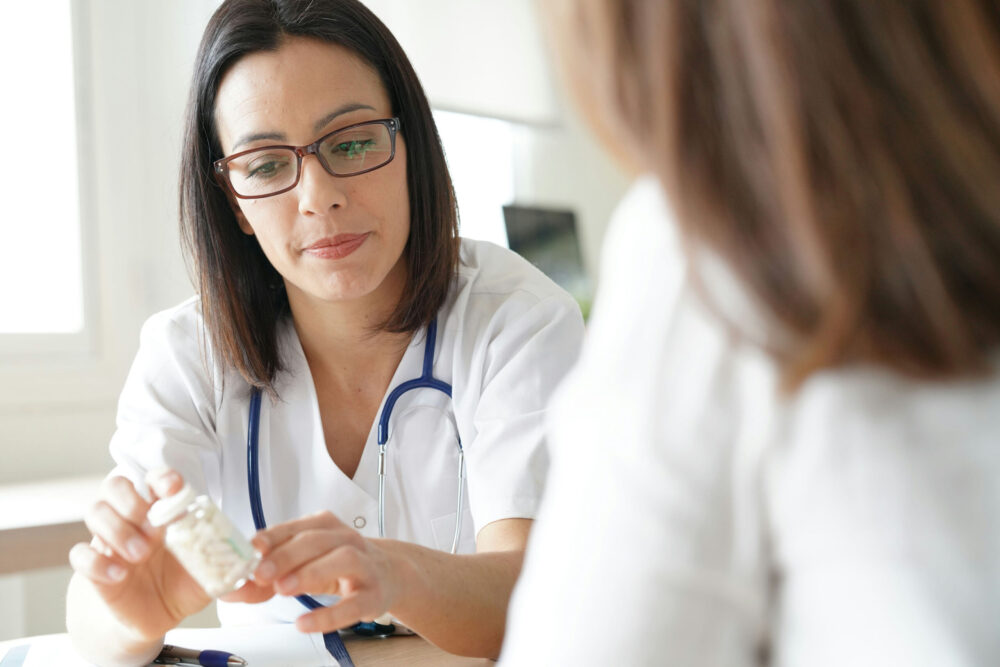
Yes. Doctors often use medications that aren’t FDA-approved for AUD specifically but have strong evidence for managing withdrawal symptoms or co-occurring conditions.
Quitting alcohol cold turkey can be life-threatening. Doctors commonly prescribe benzodiazepines during this short window to prevent seizures and manage severe agitation, typically tapering these off as acute withdrawal symptoms fade. Common medications used for alcohol addiction treatment include:
- Gabapentin: Daily doses reduce cravings, relapse, and withdrawal symptoms. It’s particularly useful because it’s processed by the kidneys, making it safer if you have liver disease.
- Topiramate: Originally a seizure medication, topiramate can reduce dopamine release associated with alcohol, helping curb cravings.
- Baclofen: A muscle relaxant shown in some studies to reduce anxiety and cravings in people with AUD.
What is Medication-Assisted Treatment (MAT)?
Medication-Assisted Treatment (MAT) is the use of medications, in combination with counseling and behavioral therapies, to provide a “whole-patient” approach to the treatment of substance use disorders. It’s about combining medical support with the psychological work of recovery.
At Pathways Treatment Center, our Medication-Assisted Treatment program is designed to stabilize your physical state so you can engage meaningfully in the therapeutic process
- Holistic Integration: MAT combines biological treatment (medication) with psychological treatment (therapy).
- Safety & Monitoring: Treatment includes regular medical oversight to manage dosages and side effects.
- Long-Term Support: MAT isn’t a quick fix; some people stay on these medications for months or years to maintain their recovery.
Is Medication-Assisted Treatment Right for You?
Deciding to use medication for alcohol addiction is personal. Doctors typically recommend MAT if you have moderate to severe alcohol use disorder. It’s especially helpful if you’ve tried quitting on your own and relapsed, or if cravings constantly pull your focus from daily life.
A clinical assessment at Pathways Treatment Center will show whether MAT is right for you. Our team evaluates:
- Severity of Dependence: How much and how often you drink, and your history of withdrawal.
- Medical History: The health of your liver and kidneys, which influences which medications are safe.
- Recovery Goals: Whether your goal is complete abstinence or a reduction in heavy drinking.
- Co-occurring Conditions: The presence of anxiety, depression, or PTSD that requires integrated care.
Medication provides a biological safety net, but it works best when you’re also learning how to cope without drinking.
How Pathways Treatment Center Uses MAT for Alcohol Addiction
At Pathways Treatment Center in Burlington, NJ, medication management is built into our outpatient recovery programs. We don’t see medication as a crutch; it’s a tool that helps you take back control. When you join our program, we conduct a full medical and clinical assessment to build a treatment plan tailored to you.
If medication makes sense for you, our medical staff will prescribe and monitor it alongside your therapy. Our approach combines:
- Evidence-Based Medication: Selection of naltrexone, acamprosate, or disulfiram based on your specific profile.
- Individual Counseling: One-on-one sessions to address personal triggers and trauma.
- Group Therapy: Peer support to reduce isolation and build a sober community.
- Dual Diagnosis Care: Simultaneous treatment for mental health conditions to prevent self-medication.
We accept most major insurance plans to make treatment affordable.
Take the First Step at Pathways Treatment Center
Alcohol addiction is medical, and it’s treatable. You don’t have to fight your biology alone. If you or a loved one can’t break the cycle of drinking, we’re here in New Jersey to help.
At Pathways Treatment Center, you’re treated as a person, not a case number. Whether you need a structured day program or flexible outpatient care, we’ll build a plan with the right medication for alcohol addiction and therapy for you. Contact us today to schedule a confidential assessment.

FAQs
Stopping medication to drink is risky and can derail your recovery. Medications like acamprosate and naltrexone restore brain chemistry over time, so skipping doses makes them less effective. Stopping treatment without talking to your doctor sharply increases your relapse risk.
Always tell emergency medical staff if you’re taking medication for alcohol addiction. Naltrexone blocks opioid receptors, so opioid pain relievers won’t work in an emergency. Carrying a medical alert card ensures you get the right care.
You’ll know the medication is working when the physical urge to drink fades, alcohol stops dominating your thoughts, and you can handle social situations without drinking. Regular check-ins with your doctor help you track these changes.
No natural supplements are FDA-approved or backed by comparable evidence for treating alcohol use disorder. Holistic practices like nutrition and mindfulness support recovery, but they can’t replace evidence-based medical treatment.

Michele is the Clinical Director at Pathways Treatment Center. Michele has over 20 years of experience in various settings including agencies, in-home, partial hospitalizations and private practice. While seeking to provide a warm, healing, and nonjudgmental environment, Michele has worked with individuals, couples and groups to help them manage stress/heal emotional wounds. She has a strong desire to gently motivate, educate, inspire and empower individuals to establish healthy emotional boundaries.
 phone
phone