The harsh reality is stark. According to the National Institute on Drug Abuse, millions of Americans have used nitrous oxide inhalants. Emergency rooms across the country are seeing more patients with serious complications from whippets abuse. These small pressurized canisters, originally designed for whipped cream dispensers, contain nitrous oxide gas that produces a brief but dangerous high when inhaled. Despite their legal availability and seemingly harmless appearance, whippets pose significant health risks that many users don’t fully understand.
When someone abuses whippets, they inhale nitrous oxide straight from steel canisters or through balloons, triggering an immediate rush of euphoria, dizziness, and a floating detachment from their surroundings. The gas rapidly enters the bloodstream and brain, blocking pain signals and triggering dopamine release for a high that typically lasts only seconds to minutes. This brief duration often leads to repeated use in short periods, increasing the risk of oxygen deprivation and serious medical complications.
The health consequences of whippets extend far beyond the immediate high, with chronic use causing permanent neurological damage through vitamin B12 depletion. Users may experience nerve damage, difficulty walking, memory problems, and coordination issues that can persist even after stopping use. Pathways Treatment Center understands the serious nature of inhalant addiction and provides comprehensive, evidence-based treatment to help individuals overcome whippets drug abuse and rebuild their lives.
What Are Whippets?
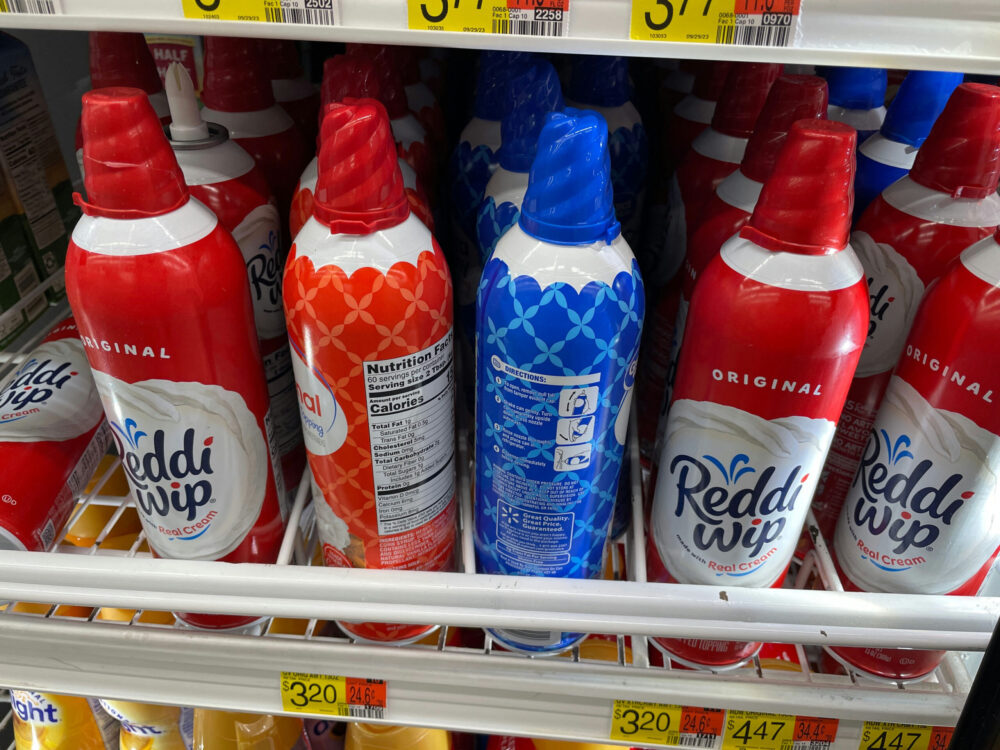
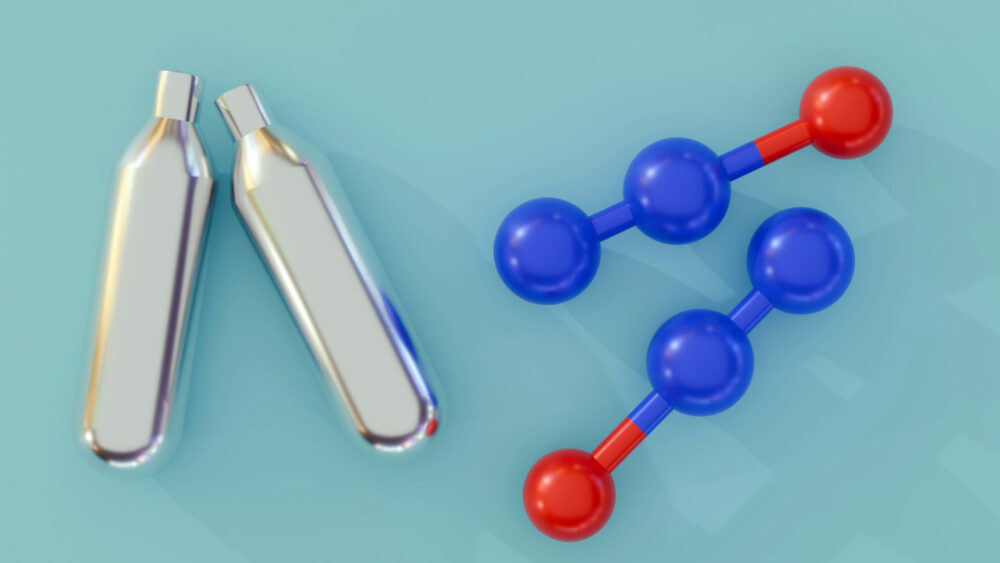
Whippets are small steel canisters containing nitrous oxide, a colorless gas with the chemical formula N₂O. Originally designed for culinary use in whipped cream dispensers, these canisters have become increasingly misused for their euphoric effects. Nitrous oxide is also used in medical settings as an anesthetic and analgesic, where it’s carefully controlled and mixed with oxygen. The term “whippets” comes from the brand name of a popular whipped cream charger, though the name now refers to any nitrous oxide canister used recreationally.
Common street names for whippets include:
- Whip-its: The most widely recognized slang term
- Nangs: Popular in Australia and some online communities
- Hippy crack: A term highlighting the substance’s recreational appeal
- Laughing gas: Referring to nitrous oxide’s effects
The legal status of whippets in kitchens and medical offices can be misleading; recreational use can devastate a person’s health. The canisters are easily accessible at kitchen supply stores, online retailers, and even some convenience stores, making them particularly appealing to young people seeking an inexpensive high. This accessibility, combined with misconceptions about safety, has contributed to widespread whippets drug abuse.
How Whippets are Used and Why They’re Dangerous
People abuse whippets by inhaling the nitrous oxide gas through several methods. Direct inhalation involves puncturing the canister and breathing the gas immediately, which can cause severe frostbite to the mouth, lips, and throat due to the extremely cold temperature of the pressurized gas. Many users transfer the gas into balloons before inhaling, believing this method reduces harm by allowing the gas to warm slightly. Specialized devices called “crackers” or dispensers puncture the canisters and release the gas into balloons or directly for inhalation.
Users chase these methods for one reason: the almost instantaneous high that hits within seconds but disappears just as quickly, lasting only 30 seconds to 2 minutes. But that fleeting euphoria comes with immediate dangers that can shatter lives. Nitrous oxide forces oxygen out of a person’s lungs, starving the brain and body of what they need most, a dangerous condition called hypoxia. Frequent or high-dose use can lead to asphyxiation, unconsciousness, brain damage, or death within minutes.
Physical injuries from whippet use occur through multiple mechanisms:
- Oxygen displacement: Nitrous oxide pushes oxygen out of the lungs, causing hypoxia and potential asphyxiation
- Frostbite injuries: Cold gas causes tissue damage around the mouth, lips, and respiratory tract
- Loss of consciousness: Sudden fainting leads to falls, head injuries, and accidents
- Sudden sniffing death syndrome: Cardiac arrest triggered by inhalant abuse, even in first-time users
Sudden sniffing death syndrome represents a particularly frightening risk, as the heart can stop without warning during or immediately after inhalation. Individuals who lose consciousness while inhaling from balloons or directly from canisters face additional dangers from falls or positional asphyxia.
Short-Term Effects of Whippets
Whippets produce immediate effects that users seek, but these effects come with serious risks. Nitrous oxide enters the bloodstream rapidly after inhalation, reaching the brain within seconds. The gas blocks NMDA receptors in the brain, which are responsible for transmitting pain signals and regulating consciousness. The desired effects of whippets include intense euphoria lasting 30 seconds to 2 minutes, a sense of detachment from surroundings, and altered sensory perception.
Users may experience brief pain relief due to nitrous oxide’s analgesic properties. Some individuals report feelings of floating, distorted time perception, and auditory changes during the nitrous oxide high. However, the dangerous short-term effects of whippets often occur alongside or immediately after the desired sensations.
Dangerous short-term effects include:
- Dizziness and loss of balance: Impaired coordination increases fall risk
- Oxygen deprivation: Displacement of oxygen in the lungs, causing potential asphyxiation
- Nausea and vomiting: Gastrointestinal distress from chemical exposure
- Loss of consciousness: Sudden fainting or blackouts leading to injury
- Vitamin B12 interference: Immediate oxidation of B12 even with single use
- Frostbite injuries: Cold gas causing burns around the mouth and lips
According to data from poison control centers, emergency room visits related to inhalant abuse, including whippets, increased by 23% between 2022 and 2024. Even single use can interfere with vitamin B12 function in the body, beginning a process that may lead to neurological damage with repeated exposure.
Long-Term Risks of Whippets Drug Abuse
Regular whippet use can destroy the body’s systems, often leaving permanent damage. Nitrous oxide attacks vitamin B12 in the body, chemically altering its structure and rendering it useless, which is a vitamin nerves need to function. When vitamin B12 becomes inactive, the body cannot convert homocysteine to methionine, a process necessary for maintaining healthy nerve cells. Vitamin B12 deficiency from whippets addiction leads to demyelination, which means the protective coating around nerves breaks down.
Demyelination affects both the central nervous system (brain and spinal cord) and the peripheral nervous system (nerves throughout the body). Chronic users face several types of neurological damage that may persist even after stopping use.
Peripheral neuropathy develops when nerves in the hands and feet become damaged from vitamin B12 depletion. Individuals experience tingling, numbness, weakness, and pain in their extremities. Walking becomes difficult as coordination and balance deteriorate. Subacute combined degeneration affects the spinal cord and can result in permanent paralysis.
The condition causes gait abnormalities, sensorimotor deficits, and progressive loss of motor function. Research shows that damage may remain chronic or permanent despite cessation of whippets drug use, particularly when individuals delay seeking treatment.
Commercial whippets contain contaminants not found in medical-grade nitrous oxide. Oily residues include cyclohexyl isothiocyanate, a respiratory sensitizer present at levels up to 67 micrograms per canister. Nano-sized metallic particles, primarily iron and zinc with traces of aluminum, chromium, cobalt, nickel, and lead, reach deep lung tissue upon inhalation. Zinc exposure from these nanoparticles causes lung lesions in chronic users.
Repeated oxygen displacement from nitrous oxide inhalation stresses the cardiovascular system. Documented mortality from fatal asphyxiation highlights the serious cardiac risks associated with whippets drug abuse.
Brain cells suffer harm through vitamin B12 depletion, exacerbating myelopathy and other neurological conditions. Chronic whippets drug abuse impairs cognitive function, affecting the ability to learn new information and form memories. Individuals experience difficulty concentrating, processing information, and making decisions. Long-term effects on brain function can persist after stopping use, particularly when vitamin B12 deficiency has caused significant neurological damage.
Signs of Whippets Abuse and Addiction
Spotting the warning signs of whippet abuse early can be critical for preventing permanent nerve damage and enabling recovery. Physical symptoms often appear first, followed by changes in behavior and daily functioning. Early identification of whippet addiction symptoms allows for timely intervention before permanent neurological damage occurs.
Family and friends usually notice the physical red flags first, before the personality changes that follow. Frequent nosebleeds happen when nitrous oxide irritates nasal passages during repeated inhalation. Sores around the mouth or lips develop from direct contact with cold gas or from frostbite caused by inhaling directly from canisters. A chemical smell on breath or clothing persists even after the person has stopped using whippets.
Neurological symptoms indicate more serious whippet abuse and potential vitamin B12 depletion:
- Tingling sensations: Early signs of peripheral neuropathy in hands and feet
- Numbness in extremities: Progressive nerve damage that may become permanent
- Walking difficulties: Developing myelopathy affecting the spinal cord
- Balance problems: Impaired coordination and motor control
Behavioral shifts often accompany physical symptoms as whippet abuse progresses. Mood swings occur without clear triggers, ranging from euphoria to irritability within short periods. Social withdrawal becomes noticeable as individuals prioritize obtaining and using nitrous oxide over maintaining relationships. Performance at work or school declines as cognitive function becomes impaired.
Preoccupation with obtaining nitrous oxide dominates thoughts and conversations. Individuals may frequently visit stores selling whipped cream chargers or order large quantities online. Financial problems emerge as money intended for necessities goes toward purchasing canisters.
Finding whippet-related items provides concrete evidence of nitrous oxide abuse. Small metal canisters, typically 2-3 inches long, contain pressurized nitrous oxide and are the most common form of whippets. Empty canisters accumulate quickly with regular use, often hidden in bedrooms, cars, or backpacks. Balloons serve as transfer devices, allowing users to inhale gas without direct canister contact.
Why are Whippets Especially Risky for Young Adults?
Young adults are particularly vulnerable to whippet abuse, as the canisters can be purchased legally and affordably, and social pressure to use them is common. Nitrous oxide canisters are legal to purchase in most states, making them easy to obtain at kitchen supply stores, online retailers, and even some convenience stores. The low cost of whippets, often just a few dollars for a box of chargers, removes financial barriers that might limit access to other substances.
Social media platforms and party culture contribute to the normalization of whippet use among young adults. Videos showing whippet use circulate on platforms like TikTok and Instagram, often portraying the experience as harmless fun rather than substance abuse. According to the National Institute on Drug Abuse, inhalant abuse peaks during adolescence, with the highest rates occurring among individuals aged 14-15, though use extends into young adulthood.
The developing brain of young adults creates particular vulnerability to nitrous oxide damage. Brain development continues until approximately age 25, with the prefrontal cortex, responsible for decision-making and impulse control, among the last regions to fully mature. Nitrous oxide’s mechanism of inactivating vitamin B12 disrupts myelin formation, the protective coating around nerve fibers that supports efficient neural communication.
Treatment Options for Inhalant Abuse
While no medications are specifically designed to treat whippet addiction, a comprehensive approach targets both the physical damage and the underlying psychological reasons for substance use. Medical evaluation is a critical first step in whippet recovery. Healthcare providers assess neurological damage through physical examinations and neurological testing to detect signs of vitamin B12 deficiency, nerve damage, or spinal cord injury.
Blood tests measure vitamin B12 levels, as chronic nitrous oxide abuse depletes this essential nutrient by inactivating its cobalt ions. Early intervention improves outcomes, though severe neuropathy may persist even after stopping use. Medical monitoring helps identify complications like demyelination in the central and peripheral nervous systems.
Therapeutic approaches form the foundation of inhalant addiction treatment and whippet recovery programs:
- Cognitive Behavioral Therapy (CBT): Helps identify thoughts and behaviors connected to substance use and develops strategies to change harmful patterns
- Group Therapy: Provides peer support and shared experiences with others facing similar challenges in recovery
- Family Counseling: Addresses relationship dynamics and helps loved ones understand addiction while rebuilding trust
- Individual Therapy: Offers personalized attention to explore personal triggers, trauma, and mental health concerns
Many individuals who abuse whippets also experience co-occurring mental health conditions such as depression, anxiety, or trauma-related disorders. Dual diagnosis treatment addresses both substance use and mental health issues simultaneously, as treating only one condition often leads to relapse.
How Pathways Treatment Center Helps Individuals Recover
At Pathways Treatment Center, inhalant treatment programs are developed for New Jersey residents. Treatment starts with an understanding of each person’s unique situation to build a personalized recovery plan. Treatment begins with a thorough evaluation to identify the extent of whippet addiction, any co-occurring mental health conditions, and potential neurological complications from nitrous oxide abuse. Medical professionals monitor vitamin B12 levels and neurological function throughout treatment, as chronic whippet abuse can cause permanent nerve damage through B12 inactivation.
The Partial Hospitalization Program (PHP) offers structured daily treatment for individuals requiring intensive support while transitioning from acute care. Intensive Outpatient Program (IOP) services provide flexible scheduling for those balancing recovery with work, school, or family responsibilities. Dual diagnosis treatment addresses co-occurring conditions such as anxiety or depression that often accompany substance use disorders. The center accepts multiple insurance plans to reduce financial barriers to care.
How to Get Help for Whippets Addiction
The road to recovery begins with acknowledging the problem and fully grasping how whippets damage a person’s health. Chronic nitrous oxide abuse inactivates vitamin B12, which can lead to permanent neurological damage, including peripheral neuropathy, spinal cord damage, and difficulty walking. Early intervention improves outcomes, as severe nerve damage may persist even after stopping use.
Family support plays a significant role in recovery from inhalant abuse. Treatment centers offering inhalant abuse treatment provide structured programs including partial hospitalization, intensive outpatient care, and dual diagnosis services for individuals with co-occurring mental health conditions. Many insurance plans cover addiction treatment services, making professional care accessible to individuals and families affected by whippet addiction.
Whippet abuse carries risks that extend beyond temporary effects. Chronic use can lead to permanent neurological damage through vitamin B12 depletion. Early intervention improves outcomes, but delayed treatment may result in irreversible nerve damage and cognitive impairment. Pathways Treatment Center provides specialized care for inhalant addiction, including whippets drug addiction treatment. The team addresses both the physical health consequences of nitrous oxide abuse and the underlying factors that contribute to substance use patterns.
Recovery from whippet abuse is possible with appropriate support and evidence-based treatment approaches. Pathways Treatment Center offers multiple levels of care designed to fit individual needs and circumstances. Each treatment plan is personalized based on the severity of use, health complications, and recovery goals. Individuals experiencing neurological symptoms such as numbness, tingling, difficulty walking, or memory problems after whippet use require immediate medical evaluation.
Contact Pathways Treatment Center to learn about whippets drug addiction treatment options in Burlington, New Jersey. Confidential assessments are available to discuss concerns about nitrous oxide abuse and develop a path toward recovery.
FAQs About Whippets Drug Abuse
Secondhand exposure to nitrous oxide in typical recreational settings is unlikely to cause significant health problems for bystanders, as the gas disperses quickly in open air and brief exposure at low concentrations does not produce the same risks as direct inhalation.
Nitrous oxide leaves the body rapidly, typically within 5 to 10 minutes after inhalation stops, as the gas is eliminated primarily through exhalation, and standard drug tests do not screen for it.
Parents who discover whippet canisters should approach the situation calmly and have an open conversation about the serious health risks of inhalant abuse, then contact a healthcare provider or addiction treatment program for guidance on assessment and appropriate next steps.
Most health insurance plans provide coverage for inhalant addiction treatment as part of substance use disorder services, typically including outpatient programs, intensive outpatient care, and partial hospitalization, though specific benefits vary by plan and provider.
No specific medications exist to treat whippet withdrawal directly, but treatment focuses on supportive care to manage symptoms such as anxiety, sleep disturbances, and mood changes, along with vitamin B12 supplementation to address nutritional deficiencies.

Michele is the Clinical Director at Pathways Treatment Center. Michele has over 20 years of experience in various settings including agencies, in-home, partial hospitalizations and private practice. While seeking to provide a warm, healing, and nonjudgmental environment, Michele has worked with individuals, couples and groups to help them manage stress/heal emotional wounds. She has a strong desire to gently motivate, educate, inspire and empower individuals to establish healthy emotional boundaries.
 phone
phone