Michele LaFemina’s Human-Centered Leadership Is Redefining Addiction Recovery at Pathways Treatment Center
The addiction treatment industry is undergoing a profound transformation. As conversations around mental health, trauma, and recovery continue to evolve, treatment providers are being challenged to move beyond traditional clinical models and embrace approaches that recognize the complexity of human experience. At the center of this shift are leaders who understand that effective treatment is not simply about addressing symptoms but about restoring dignity, rebuilding trust, and creating pathways toward lasting change.
Among those leaders is Michele LaFemina, ABD, MA, LPC, LCADC, ACS, CCS, Clinical Director of Pathways Treatment Center in New Jersey. Guided by her personal leadership philosophy, “Breaking Barriers Through Grit, Building Bridges Through Grace,” LaFemina has emerged as a powerful voice in addiction and mental health treatment, helping shape an organization that places compassion and clinical excellence at the heart of recovery.
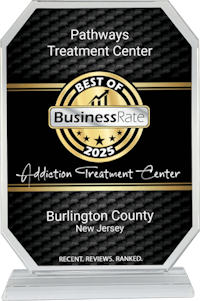
Founded in 2025 by Joseph Dandrea, Pathways Treatment Center was established with a clear vision: to create a treatment environment grounded in individualized care, evidence-based practices, and meaningful human connection. While the organization is relatively young, it has quickly distinguished itself within a highly competitive healthcare landscape, earning recognition as the #1 Treatment Center in Burlington County for 2025. Behind that achievement lies a culture that reflects both the founder’s vision and LaFemina’s leadership approach, one that prioritizes people as much as process.
Building a Culture Where Recovery Can Thrive
In healthcare, rankings and recognition often highlight outcomes, but sustainable success is usually rooted in culture. For LaFemina, organizational excellence is not something imposed through pressure or performance metrics alone. Instead, it emerges from an environment where professionals are empowered to bring both expertise and humanity into their work.
At Pathways Treatment Center, this philosophy shapes every aspect of care delivery. The organization provides comprehensive outpatient addiction and mental health treatment, including Partial Hospitalization Programs (PHP), Intensive Outpatient Programs (IOP), and traditional outpatient services. The center specializes in trauma-informed care, co-occurring disorders, and highly individualized treatment planning designed to meet clients where they are in their recovery journey.
What distinguishes the organization is its refusal to treat individuals as diagnoses or case numbers. Recovery is approached as a deeply personal process that requires flexibility, structure, and ongoing support. By focusing on each individual’s unique circumstances, Pathways seeks to create treatment experiences that integrate healing into everyday life rather than separating recovery from the realities patients face outside the clinical setting.
This philosophy has become increasingly important as healthcare providers confront growing rates of substance use disorders, anxiety, depression, and trauma-related conditions. Modern recovery programs must address interconnected challenges, and Pathways has positioned itself at the forefront of that evolution by combining evidence-based methodologies with an unwavering commitment to compassionate care.
The Power of Female Leadership in Behavioral Healthcare
The behavioral health sector has long benefited from the contributions of women leaders, yet leadership in healthcare continues to demand resilience, adaptability, and emotional intelligence. LaFemina believes that her perspective as a woman leader allows her to bring a nuanced understanding of emotional complexity and relational dynamics to both clinical practice and organizational leadership. Rather than viewing empathy and structure as competing priorities, she sees them as complementary forces. Her leadership style reflects a balance between accountability and compassion, creating environments where both staff members and clients feel safe enough to be vulnerable while remaining focused on measurable growth and outcomes.

This balance has become one of her defining strengths. In addiction treatment, trust is often the foundation upon which recovery is built. Individuals entering treatment frequently carry experiences of shame, trauma, stigma, and self-doubt. Effective leadership in this space requires more than operational expertise; it requires the ability to cultivate psychological safety and authentic connection.
LaFemina’s approach demonstrates that empathy is not a soft skill operating at the margins of healthcare. It is a strategic advantage that enhances engagement, strengthens therapeutic relationships, and ultimately supports better outcomes. By fostering a culture where clinical rigor and emotional intelligence coexist, she has helped establish a treatment environment that empowers both patients and professionals to thrive.
Replacing Judgment with Possibility
One of the most powerful principles guiding Pathways Treatment Center is the belief that everyone deserves a second chance. While this phrase appears prominently within the organization’s messaging, for LaFemina it represents far more than a slogan. It serves as a foundational philosophy that informs how treatment is delivered and how individuals are viewed throughout the recovery process.
In many healthcare settings, particularly within addiction treatment, stigma can create barriers to healing. Individuals may arrive carrying years of negative self-perceptions reinforced by societal judgment. Pathways intentionally challenges those narratives by shifting the focus away from blame and toward understanding. LaFemina emphasizes the importance of replacing judgment with curiosity and shame with empowerment. This perspective recognizes that people are more than the mistakes they have made or the circumstances they have experienced. Recovery becomes possible when individuals are given opportunities to reconnect with their strengths, rediscover their sense of purpose, and envision a future that extends beyond their past struggles.
Such an approach reflects broader changes occurring across behavioral healthcare, where trauma-informed care is increasingly recognized as essential to effective treatment. Rather than asking what is wrong with an individual, trauma-informed models ask what has happened to them and how those experiences have shaped their current challenges. This shift creates space for deeper understanding and more meaningful healing.

Leading with Data and Heart
As clinical director, LaFemina operates at the intersection of science and human connection. While evidence-based treatment remains central to Pathways’ approach, she believes that clinical expertise alone is insufficient if it is not accompanied by empathy.
Her leadership philosophy can be summarized through a simple but powerful principle: lead with both data and heart. In practice, this means maintaining rigorous clinical standards while ensuring that treatment remains deeply human-centered. Evidence-based interventions, measurable outcomes, and professional accountability are critical components of quality care. However, true transformation often occurs through relationships, trust, and the consistent demonstration of compassion. This dual commitment has become increasingly relevant as healthcare organizations seek to improve patient engagement and retention. Research consistently demonstrates that therapeutic alliance plays a significant role in treatment success. By emphasizing both clinical integrity and emotional connection, Pathways creates an environment where individuals are more likely to remain engaged in the recovery process and pursue long-term healing.
The result is an organizational model that balances operational excellence with authentic care, demonstrating that the most effective treatment environments are often those that refuse to sacrifice humanity in the pursuit of efficiency.
Supporting Recovery Beyond the Treatment Setting
A central insight informing LaFemina’s work is the understanding that recovery does not occur in isolation. Lasting change requires individuals to navigate the realities of daily life while building new patterns, relationships, and coping strategies. For this reason, Pathways emphasizes treatment approaches that support recovery within real-world contexts. Structure remains essential, but flexibility is equally important. Patients must learn how to sustain progress while managing careers, families, relationships, and personal responsibilities.
From the initial phone call through every stage of treatment, the organization prioritizes safety, trust, and meaningful connection. Every interaction is designed to reinforce the message that individuals are not facing their challenges alone. This intentionality helps create continuity throughout the recovery journey and strengthens the support systems necessary for long-term success.
In an industry where relapse prevention and sustained recovery remain significant challenges, such a holistic perspective offers a valuable framework for addressing the complexities of modern behavioral healthcare.
Expanding Impact While Preserving Integrity
Looking ahead, Pathways Treatment Center is focused on growth, but growth guided by purpose rather than scale alone. For LaFemina, the future involves expanding programs and services while maintaining the quality, integrity, and individualized attention that define the organization’s identity. This commitment reflects an increasingly important challenge facing healthcare providers. As demand for mental health and addiction services continues to rise, organizations must find ways to expand access without compromising standards of care. Pathways’ strategy centers on elevating clinical excellence while preserving the human-centered culture that has fueled its early success.
For LaFemina, leadership is ultimately about creating conditions where transformation becomes possible. Whether supporting a client beginning recovery, mentoring a clinician, or helping shape organizational strategy, her focus remains consistent: empowering people to move beyond limitations and discover new possibilities for growth. In an industry often defined by complexity and urgency, Michele LaFemina’s leadership offers a compelling reminder that meaningful healthcare innovation does not always begin with technology or infrastructure. Sometimes it begins with a simple but profound belief in human potential. Through her work at Pathways Treatment Center, she continues to demonstrate that when clinical excellence is paired with compassion, recovery becomes more than a goal. It becomes a pathway toward lasting transformation.
“We don’t just treat addiction—we help people rebuild their lives with dignity, structure, and support.” — Michele LaFemina, ABD, MA, LPC, LCADC, ACS, CCS, Clinical Director of Pathways Treatment Center

Michele is the Clinical Director at Pathways Treatment Center. Michele has over 20 years of experience in various settings including agencies, in-home, partial hospitalizations and private practice. While seeking to provide a warm, healing, and nonjudgmental environment, Michele has worked with individuals, couples and groups to help them manage stress/heal emotional wounds. She has a strong desire to gently motivate, educate, inspire and empower individuals to establish healthy emotional boundaries.
 phone